Know Your Rights in The Workplace (NJ)
- Apr 12, 2024
- 3 min read
In the evolving landscape of labor laws, it’s crucial for employees in New Jersey (NJ) to be well-informed about their rights in the workplace. Today’s blog will navigate you through the most pertinent rights and protections you are entitled to under state and federal laws. Whether you’re a seasoned employee or new to the workforce, to know your rights in the workplace (NJ) is the ability to empower you to advocate for yourself and ensure fair treatment.
Anti-Discrimination Laws
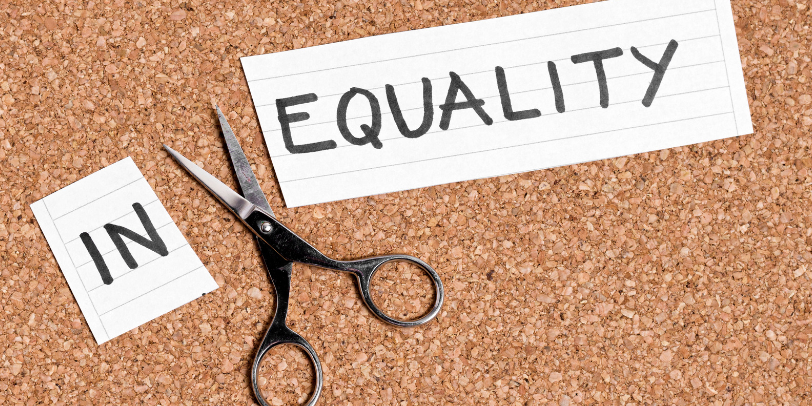
New Jersey's Law Against Discrimination (LAD) is one of the strongest in the nation. It prohibits discrimination in employment based on race, creed, color, national origin, ancestry, age, marital status, familial status, sex, sexual orientation, gender identity or expression, disability, and military status. This means your employer cannot make decisions regarding hiring, firing, promotions, or pay based on these protected categories. Furthermore, LAD also mandates reasonable accommodations for employees with disabilities and those who require them for religious practices.
Minimum Wage and Overtime Pay
As of my last update, New Jersey has set its minimum wage higher than the federal minimum, with plans to increase it annually until it reaches $15 per hour for most workers. This commitment reflects the state’s recognition of the need for a living wage. Additionally, employees are entitled to overtime pay at a rate of 1.5 times their regular rate for hours worked beyond 40 in a workweek, with few exceptions.
Safe Workplace Environment
The Occupational Safety and Health Act (OSHA) ensures that employers provide a safe and healthy workplace environment. This includes proper training, equipment, and compliance with safety standards. If you believe your workplace is unsafe, you have the right to report these conditions without fear of retaliation.
Family Leave
Under the New Jersey Family Leave Act (NJFLA), eligible employees can take up to 12 weeks of unpaid leave in a 24-month period for the birth or adoption of a child, to care for a family member with a serious health condition, or for certain circumstances arising from a family member's military service. This is in addition to the federal Family and Medical Leave Act (FMLA), which also provides up to 12 weeks of unpaid leave under similar conditions, though the two laws cover slightly different circumstances and can sometimes be used in conjunction.
Right to Privacy
Employees in New Jersey have a right to a certain level of privacy in the workplace. This includes limitations on employer surveillance, such as restrictions on monitoring personal phone conversations or inspecting personal belongings without a legitimate business interest. However, this right is balanced with the employer's right to manage their business. It's important to understand the specifics of what may or may not be considered a privacy violation in your workplace.
Whistleblower Protections
The New Jersey Conscientious Employee Protection Act (CEPA) protects employees who report illegal or unethical activities within their company. This means you cannot be fired, demoted, or punished for blowing the whistle on activities that you reasonably believe violate the law or public policy.
Unemployment Benefits
If you lose your job through no fault of your own, you may be eligible for unemployment benefits in New Jersey. These benefits are designed to provide temporary financial assistance while you search for new employment. Eligibility criteria include having worked a certain amount of time and earned a minimum amount, among other factors.
Workers’ Compensation
Employees injured on the job in New Jersey are typically entitled to workers' compensation benefits. These benefits can include medical treatment, temporary disability payments, and compensation for permanent injuries. Importantly, workers’ compensation is a no-fault system, meaning you don’t need to prove your employer was at fault to receive benefits.
Finding Support With David H. Kaplan, Attorney at Law
In conclusion, understanding your rights in the workplace is fundamental to ensuring fair treatment and advocating for yourself. New Jersey offers a range of protections for employees, from anti-discrimination laws to wage theft prevention. By familiarizing yourself with these rights, you can navigate the workplace with confidence, knowing that there are laws in place to protect your interests. Remember, if you believe your rights have been violated, consider seeking legal advice from David H. Kaplan to explore your options for recourse. To get in contact today, visit here.